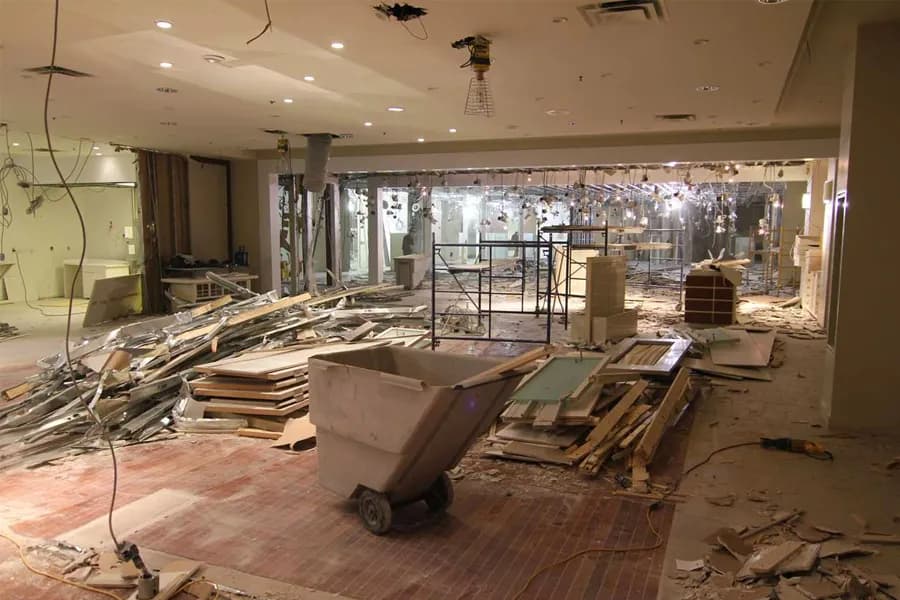
Why Hacking & Demolition Is the First Big Step of Renovation
Every renovation starts with a clean slate — and that means hacking and demolition. Whether you are removing old tiles, tearing down a non-structural wall, or clearing out a unit before reinstatement, the way you handle this stage affects everything that follows.
In Singapore, hacking and demolition come with important considerations: protecting surrounding areas, managing dust and noise, complying with HDB and MCST rules, and disposing of debris responsibly. This guide explains how to prepare your home for a safe, smooth demolition process.
What Hacking & Demolition Includes
Hacking and demolition covers more than just breaking things. A proper demolition scope includes:
Floor tile hacking – Removing old floor tiles and screed.
Wall tile hacking – Removing tiles in kitchens and bathrooms.
Wall demolition – Removing non-structural walls to open up space.
Floor slab hacking – Preparing floor slabs for new plumbing or layouts.
Fixture and fitting removal – Removing cabinets, sanitary ware, and built-in furniture.
Debris disposal – Clearing and disposing all waste responsibly.
Each step must be done carefully to protect the structure and surrounding areas.
Preparing Your Home Before Hacking Begins
Preparation is what separates a smooth demolition from a chaotic one. Here is a practical checklist:
1. Clear Personal Belongings
Remove all furniture, electronics, and personal items from the work area. If you are staying in the unit, move items into a sealed room or cover them completely.
2. Protect What Stays
Floors, doors, windows, and fittings that will not be removed should be covered with protective sheets or cardboard.
3. Seal Off Dust Zones
Plastic sheeting over doorways helps contain dust. This is especially important if you are living in the unit during renovation.
4. Inform Neighbours
Give your neighbours advance notice. Hacking creates noise and vibration, and courtesy goes a long way — especially in HDB blocks and condos.
5. Check Rules & Timing
HDB and MCST have rules on allowed hacking hours and noise levels. Your contractor should know these and plan accordingly.
Tip: Never attempt structural hacking on your own. Load-bearing walls and structural elements must only be handled by professionals with proper assessment.
Safety Measures During Hacking & Demolition
Safety is non-negotiable during demolition. A professional contractor will always:
Wear proper protective gear (helmet, gloves, mask, safety shoes)
Use the right tools for each task
Check for hidden pipes and wiring before cutting or breaking
Prevent dust from spreading with barriers and water spraying
Handle debris carefully to avoid injuries
Keep the site tidy at all times
Unsafe demolition puts your family, your neighbours, and your property at risk.
Dust and Noise Control
Dust and noise are the biggest complaints during hacking. Here is how professionals manage them:
Dust barriers – Sealing doorways and using negative air pressure.
Floor protection – Cardboard or protective sheets on common areas.
Wet hacking methods – Reduces airborne dust.
Scheduled work hours – Complying with HDB or MCST timing rules.
Daily clean-up – Keeping the site clean after each work day.
Good dust and noise control protects your home and your relationship with neighbours.
Debris Removal & Disposal
After hacking, all debris must be cleared and disposed of properly. Skipping this step leaves the site unsafe and delays the next renovation stage. A professional team will:
Bag and load debris safely
Use protective floor coverings in common areas
Dispose of waste at approved facilities
Recycle materials wherever possible
Return the site clean and ready for the next stage
How Long Does Hacking & Demolition Take?
Scope | Estimated Duration |
|---|---|
Bathroom tile hacking | 1–2 days |
Kitchen tile hacking | 1–2 days |
Whole-house hacking (HDB) | 2–4 days |
Whole-house hacking (Condo) | 2–5 days |
Commercial strip-out | Depends on size and scope |
Timelines depend on the amount of hacking, access to the site, and disposal requirements.
Common Mistakes to Avoid
Hacking without checking for concealed pipes and wiring
Removing structural walls without approval
Skipping site protection — leading to damage claims
Hacking outside allowed hours
Leaving debris in common areas
Hiring unqualified or uninsured workers
Why Choose TA Solutions Pte Ltd for Hacking & Demolition
TA Solutions Pte Ltd provides safe, efficient hacking and demolition services across Singapore. We handle everything from tile hacking and wall removal to full strip-outs and debris disposal.
Why clients trust us:
Safe, methodical demolition practices
Complete site protection and dust control
Proper debris removal and responsible disposal
Skilled workers and modern equipment
Fast turnaround to keep your renovation on schedule
Transparent pricing with no hidden charges
Conclusion: Start Your Renovation the Right Way
Hacking and demolition set the foundation for your entire renovation. Done well, it saves time, prevents damage, and keeps your project running smoothly. Done poorly, it causes disputes, delays, and expensive repairs.
Whether you are preparing a home for renovation or clearing a unit for reinstatement, work with a team that takes safety and cleanliness seriously.
Get a Free Quote Today:
Call/WhatsApp: +6586236819
Email: tasolutionptelimited.sg@gmail.com
Visit Us: www.tasolutionsg.com
Office Address: 2 Venture Drive, #14-02, Vision Exchange, Singapore 608526
See our hacking & demolition service: Hacking & Demolition Singapore.